
Try Serpent Free

How to fix CANNOT_INSERT_UPDATE_ACTIVATE_ENTITY in Salesforce deployments

A validation rule, trigger, or flow in the target org rejected a record insert or update during deployment validation.

Surfaces during: Apex test execution as part of a deploy or validation

What it means

CANNOT_INSERT_UPDATE_ACTIVATE_ENTITY is a generic DML failure that Salesforce raises when a trigger, validation rule, or process automation in the target org rejects a record. It shows up most often during Apex test execution, since deploying to production or running validation always executes your tests against the real automation stack of the target org.

Because it's a generic wrapper code, the useful detail is almost always in the text that follows it in the deploy result, the specific validation rule message, trigger exception, or flow fault, not the code itself.

Diagnosis

Common causes

Validation rule rejects test data
An Apex test's data factory does not satisfy a validation rule that is only active in the target org.
Automation side effects fail
A trigger or flow performs DML that hits a governor limit or a locked record while the test runs.
Missing environment-specific configuration
The target org is missing a custom setting, default record type, or other config the automation depends on.

The fix

  1. Read the full error text, not just the code
    Open the deploy result and read what follows CANNOT_INSERT_UPDATE_ACTIVATE_ENTITY; Salesforce appends the specific validation rule or trigger message that named the actual failure.
  2. Seed required configuration first
    Deploy custom settings, custom metadata, or default record types the automation needs before running the tests that depend on them.
  3. Isolate the failing automation
    Temporarily disable or bypass the specific trigger or flow in a scratch org to confirm which automation is rejecting the record.
In practice

How Serpent prevents this

Serpent AI runs your Apex tests against the actual target org before the real deployment, so a rejected record surfaces as a named validation rule or trigger, not a generic failure. See the Salesforce deployment error library.
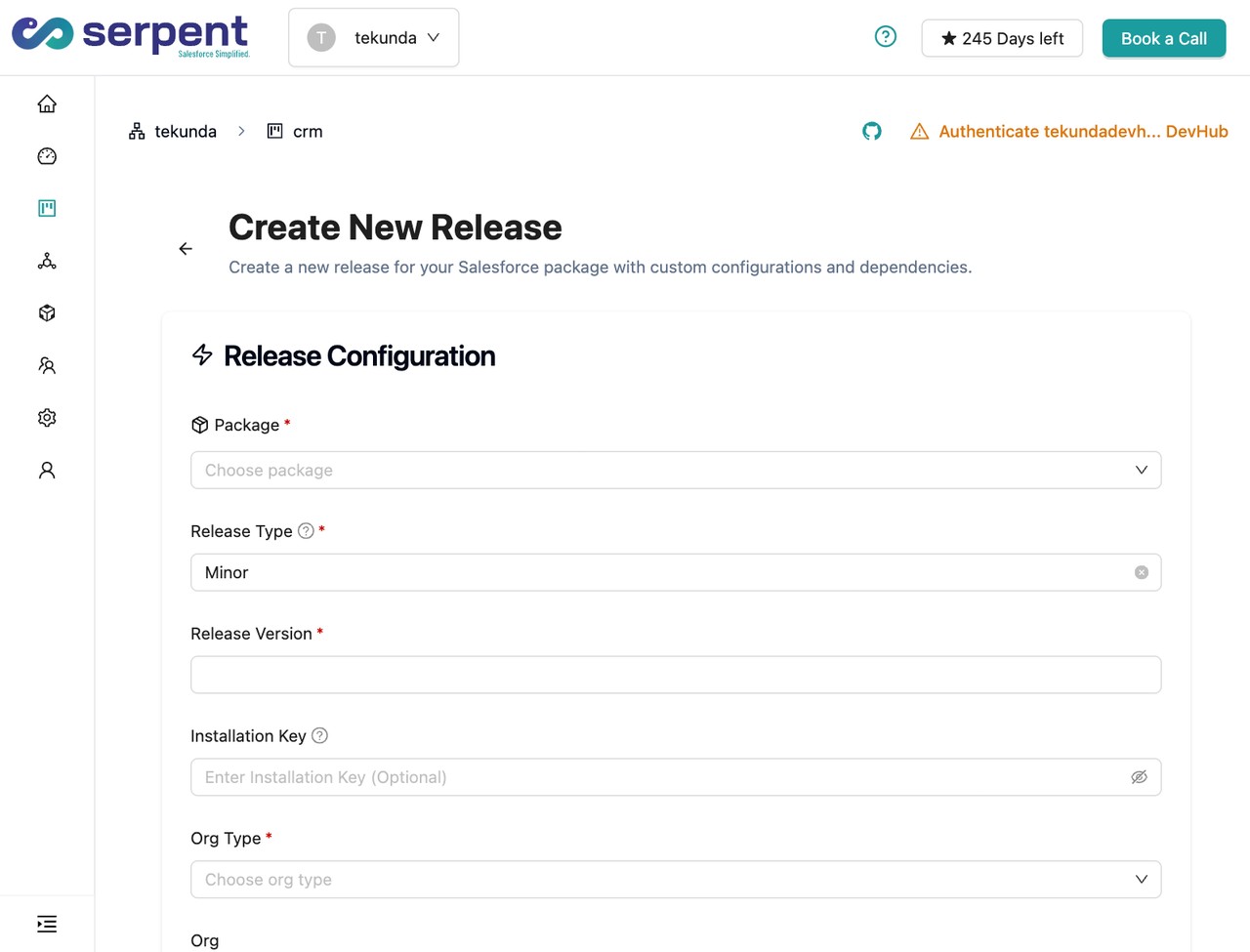
Metadata and data in one deployment flow in Serpent

Prevention

Build Apex test data factories against production-like validation rules
Keep a shared test data factory that satisfies every active validation rule, so new tests inherit compliant data instead of hand-rolling records that skip edge cases.
Deploy config dependencies in the same task as the automation that needs them
Bundle custom settings, custom metadata, and default record types with the trigger or flow that reads them, so they never land in the target org out of order.
Validate against a target-org clone before a production release
Run a check-only deploy against a full sandbox that mirrors production's validation rules and automation before the real release window.
Common questions

CANNOT_INSERT_UPDATE_ACTIVATE_ENTITY, answered

Does the error message tell me which validation rule failed?
Usually yes. Salesforce appends the validation rule or trigger's own error text after the CANNOT_INSERT_UPDATE_ACTIVATE_ENTITY code, so read past the code itself.
Why does the deployment fail here but the same test passes in my dev sandbox?
Validation rules, flows, and custom settings frequently differ between a personal dev sandbox and the target org. Compare active automation on the specific object between the two environments.
Is this ever a bug in Salesforce rather than my org's configuration?
Rarely. This code almost always reflects the target org's own automation rejecting the record as designed; treat it as a configuration or test-data mismatch first.

Start free. No credit card, no install, no commitment.

Set up in under 15 minutes. No DevOps hire needed.

Curious about faster shipping before you dive in? Let's talk

Commitment free!