


Andrew Hanna

Andrew Hanna
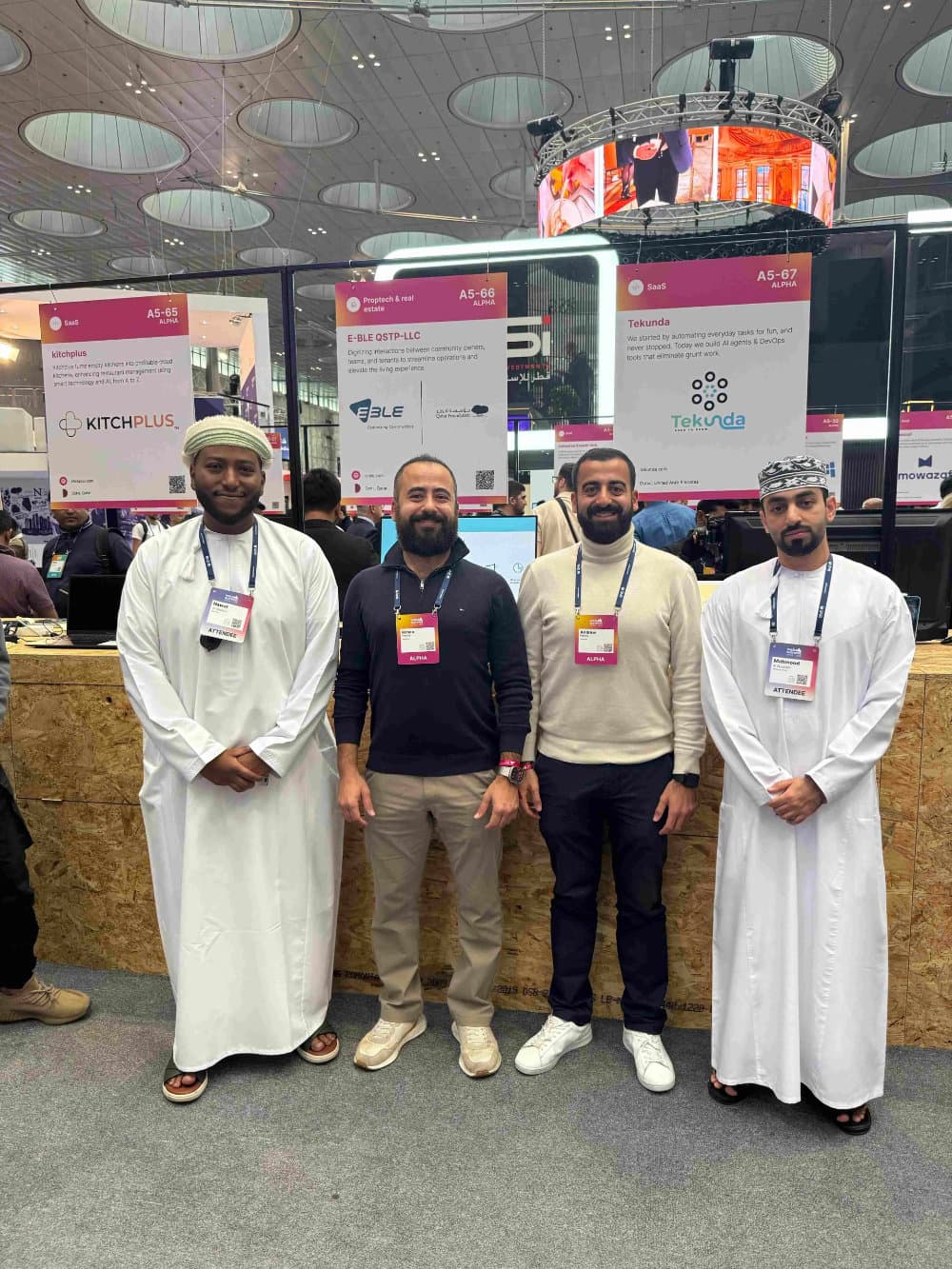
Salesforce DevOps is no longer a niche conversation in the Gulf. At Web Summit Qatar 2026, the teams building on Salesforce across Doha, Riyadh, and Dubai were asking the same release-management questions I hear from mature orgs in London and Austin, just a few years earlier in their journey. That gap is closing fast, and it changes how vendors like Serpent should be thinking about the region.
I went into the event expecting investor pitches and AI hype. Instead, the most interesting conversations happened in the corners, with in-house Salesforce admins and delivery leads who were quietly running multi-org programs and hitting the exact same walls every DevOps team hits: merge conflicts between sandboxes, metadata that drifts out of sync, and a release process that depends on one person remembering which changes are safe to promote.
Government-backed digital transformation programs across Qatar and the wider GCC are pushing Salesforce adoption into large, multi-team implementations faster than most orgs can build the process discipline to support them. When five teams are shipping into the same production org, change sets and manual deployments stop being an inconvenience and start being a business risk. That is the exact inflection point where Serpent gets called in.
Three patterns came up in almost every conversation:
None of this is unique to Qatar. It is the same story we hear from teams evaluating Gearset or coming off Copado everywhere. What is different is the pace: these orgs are scaling from one team to five before they have had time to build the habits that prevent the mess in the first place.
It validates a bet we already made: version-controlled, branch-based deployments should be the default for Salesforce teams, not an advanced-maturity upgrade they get to eventually. Every conversation in Doha reinforced that the teams who win are the ones who put Git-backed CI/CD in place while they are still small enough to change habits without a painful migration. That is the whole premise behind how Serpent handles branching, conflict detection, and deployment automation, and it is exactly what Salesforce's own DevOps Center guidance has been steering the ecosystem toward for the last two years.
Every new market that adopts Salesforce at scale is a market that eventually needs real release management. We are not chasing GCC customers because it is trendy; we are seeing the same maturity curve play out that we watched in EMEA and North America five years ago, just compressed into a shorter window. Teams that get ahead of it now save themselves a painful re-platforming later.
If your Salesforce team is starting to feel that friction, whether you are in Doha or Denver, it is worth seeing what a modern pipeline actually looks like. Our pricing page has the honest breakdown of what it costs to stop deploying by hand.
Is Salesforce DevOps adoption really growing in the Middle East?
Yes. Rapid multi-team Salesforce rollouts tied to regional digital transformation programs are pushing orgs toward version-controlled release processes much earlier than in mature markets.
What is the biggest Salesforce release management mistake growing teams make?
Waiting until multiple teams are deploying into the same org before adopting branch-based CI/CD, which turns a straightforward setup into a disruptive migration.
How is Serpent different from manual change sets?
Serpent replaces manual change set tracking with Git-backed branching, automated conflict detection, and repeatable deployment pipelines built specifically for Salesforce metadata.
Is Serpent a good fit for consultancies and ISVs managing multiple client orgs?
Yes. Shared source-of-truth branching and deployment history make it easier for partners to hand off clean, auditable releases across client orgs.
Commitment free!